Smoke Alarm and a Crying Infant
I hear the car’s warning chime cut through the black plume swirling inside the cabin.
The dashboard flashes a red exclamation point next to the recirculation icon, then a scrolling message: Cabin Filter Overdue – Replace Immediately.
Mara’s grip tightens on the steering wheel; I can feel the tremor in her knuckles.
Her baby’s wail erupts, raw and urgent, like a siren in the night.
“We need fresh air now!” she shouts, her voice cracking.
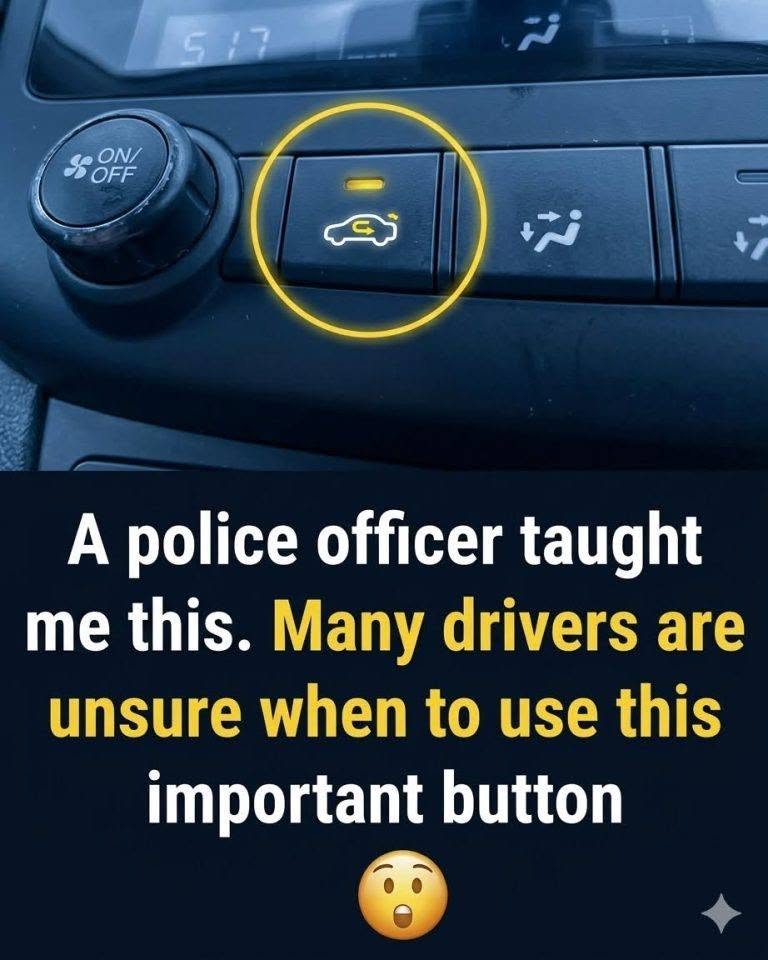
I glance at the control panel, the recirculation button still lit green, sealing the toxic fumes inside.
My mind flashes back to the sticker on the dash that warned me about the filter’s age. I hadn’t thought it mattered.
“I’m sorry,” I whisper, the words barely audible over the child’s cries.
Heat presses against the windows, the desert’s humidity turning the glass to a foggy veil.
My fingers fumble with the knob, trying to switch to fresh‑air mode, but the system is locked in a loop.
Each breath I take feels thick, tinged with ash.
Mara’s eyes are wide, pleading, her nurse’s training fighting the panic that threatens to overwhelm her.
“We can’t stay like this,” she says, turning the seat toward me, the baby squirming, its tiny fists clawing at the air.
I stare at the warning on the screen, the words sinking like a stone.
Years of neglect—no filter change since the car was new.
Every mile we’ve driven, every night shift, every desert stretch… the air we breathed was filtered through a clogged, dying mesh.
“Hold on,” I say, forcing calm into my voice, “I’ll get us out of here.”
My foot slams the brake, the car sputters to a halt on the side of the highway, the smoke still curling inside.
The baby’s cries grow louder, a high‑pitched whine that seems to echo off the cracked windshield.
Mara leans forward, her forehead pressed against the glass, eyes searching for a solution.
“We need to replace the filter now,” she says, voice trembling.
I nod, heart pounding, and turn the steering wheel toward the trunk.
Finding the Spare and the Unthinkable Letter
I yank the trunk latch, but it sticks, refusing to give way.
My hands sweat, the metal cold against my skin.
“It’s jammed,” I mutter, feeling the desperation rise like a tide.
With a hard pull, the latch finally gives, the lid creaking open with a sigh of resignation.
Inside, the darkness is thick, the smell of old upholstery mingling with stale air.
I fumble for the spare filter, the one I kept for emergencies, tucked beneath a dusty tarp.
The filter is there, but it’s a relic—gray, clogged with grime, the fibers blackened as if they had inhaled years of smoke.
My throat tightens; the weight of the discovery presses down on me.
Then, beneath the filter, I see a small envelope, its paper damp, a dark stain spreading across the front.
My breath catches.
It’s addressed to me, my name scrawled in a hand I recognize instantly.
My sister’s handwriting.
My heart clenches as I pull the envelope free, the blood‑stained blot bled into the paper like a wound.
I pry the flap open, the creases jagged with age.
Inside, a single sheet of paper, the ink smudged, the words uneven.
“If you ever get this, you must replace the cabin filter immediately. The one in your car is defective. I… I died because of it. Don’t let it happen to anyone else.”
A cold shiver runs down my spine; the memory of the crash that took her flashes—metal twisted, a scent of burnt plastic, the smell of—
—the same stale, toxic air that now fills my car.
I stare at the note, the realization crushing me: my sister’s warning was real, her death caused by a faulty filter she tried to save me from.
Mara’s baby continues to wail, each sob a reminder of the stakes.
My fingers tremble as I slip the note back into the envelope, the blood still dark on the paper.
Outside, the desert wind howls, and the sun beats down on the cracked windshield, illuminating the horror of what I’ve just uncovered.
