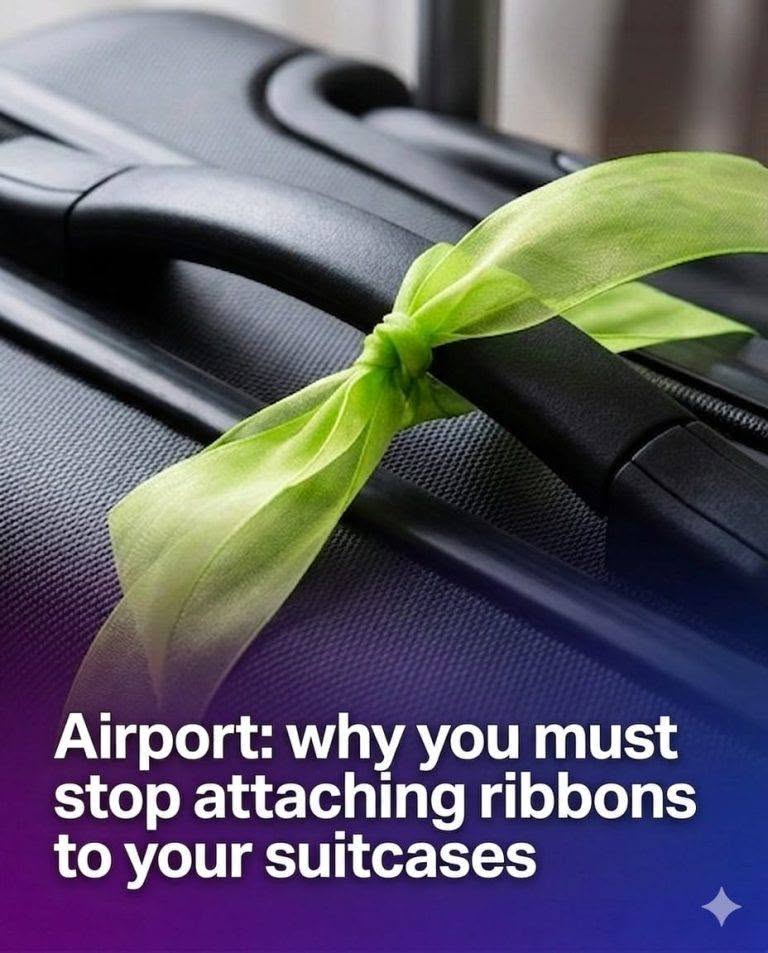
Hidden Pocket
I slipped into the gray‑washed sorting room, the hum of the conveyor like a distant ocean.
The stern employee who had pointed out my ribbon gestured toward a stack of bags that had been pulled aside.
Under harsh fluorescent light, the ribbon’s bright red glowed against the dull metal, as if it were a beacon.
I lifted the suitcase, feeling the weight of the unknown, and gently eased the ribbon free.
There, tucked into a tiny seam of the fabric, was a folded piece of paper.
It trembled in the stale air when I unfolded it, the handwriting unmistakably familiar.
“Hey,” it began, the ink a shaky echo of my sister’s voice.
“If you’re reading this, the plan worked… at least the ribbon got through.”
My heart thudded; her signature scrawl was jagged, the kind that only appears when someone is rushing.
She explained in a hurried paragraph that she had slipped a micro‑USB into the ribbon’s hidden pocket.
“It’s encrypted,” she wrote, “and it contains everything they don’t want anyone to see.”
She mentioned a flight schedule, a code name, and a warning to hand it over to a contact once I cleared customs.
My eyes flicked to the tiny slot where the USB must be—nothing but a slit in the ribbon’s weave.
I felt the floor vibrate as more bags shunted forward, each thumping like a pulse.
My sister’s note ended with a single line: “Don’t let them find it. It’s our only chance.”
I slipped the ribbon back onto the handle, the paper now a secret weight in my palm.
Confrontation
Back in the terminal, the airline’s officials gathered around a glass table, their expressions a mix of curiosity and caution.
I placed the ribbon, the note, and the minuscule USB in front of them, my voice steadier than I felt.
“What you have here isn’t a travel hack,” I said, “it’s evidence.”
The lead manager raised an eyebrow, his cufflinks glinting under the lights.
He pressed a button, and the USB’s contents flickered onto a screen: logs, emails, and encrypted files linking the airline’s parent company to a massive smuggling ring and financial fraud.
Gasps rose from the room; the data was damning, showing offshore accounts, bribed inspectors, and a cover‑up of a deadly maintenance scandal.
One official whispered, “This could bring the whole conglomerate down.”
Another stared at the ribbon, his eyes narrowing. “And your sister…?”
I swallowed, recalling the frantic scribbles, the urgency.
“She’s a whistleblower,” I answered, “and she used the ribbon to get this out before the system could flag it.”
They exchanged glances, the weight of the revelation settling like a stone.
The director stood, his voice low: “We’ll need to protect you both. This changes everything.”
Behind me, the fluorescent lights hummed, and the bustling airport seemed to pause, as if acknowledging the storm we had just unleashed.
